The Hidden Power of Stances: Building a Strong Foundation in Kempo
In Kempo, as in life, everything starts with a strong foundation. Just as a house built on sand will crumble, a martial artist without solid stances will struggle to generate power, maintain balance, and execute techniques effectively. Stances are the cornerstone of our training, and understanding their role is essential to progressing in Kempo.
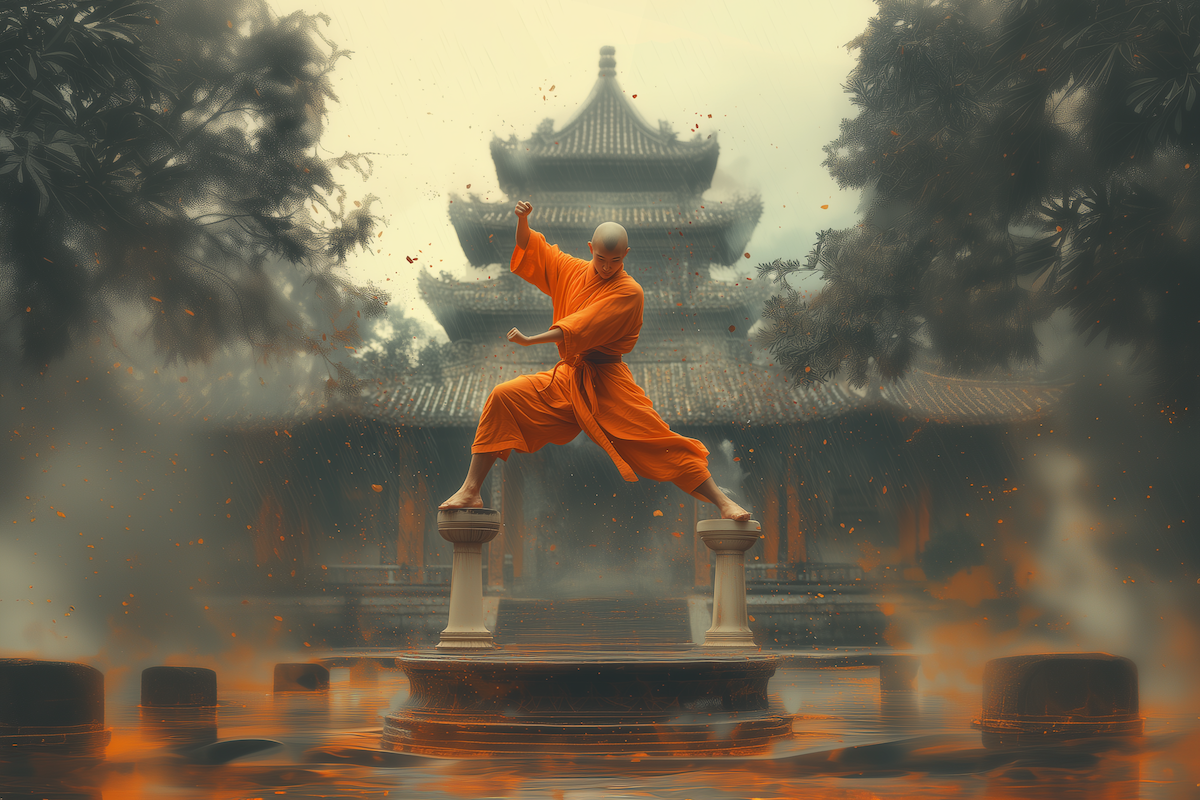
Why Stances Matter
A proper stance provides stability, balance, and control. Whether delivering a powerful strike or evading an attack, your stance dictates how effectively you move. A weak stance limits your ability to react, while a strong stance enables fluid transitions between offense and defense.
Additionally, your stance influences the force behind your techniques. When executed correctly, stances allow you to channel energy efficiently through your body, delivering strikes with greater precision and impact. A misplaced foot or a slight misalignment can dissipate that force, making your attacks weaker and your defenses vulnerable.
The Balance Between Strength and Mobility
It’s tempting to think that the deeper and wider the stance, the stronger it is. While low stances develop leg strength and discipline, real-world application demands mobility. The ability to transition smoothly between stances is just as critical as maintaining a solid base.
For example, training in deep stances strengthens the legs and improves endurance, but in sparring, a more upright stance allows for quick movements and rapid responses. Kempo practitioners must strike a balance between rooted power and fluid adaptability, ensuring they are neither too rigid nor too unstable.
Common Stance Mistakes and How to Fix Them
Even experienced martial artists can fall into bad habits when it comes to stances. Here are a few common mistakes and how to correct them:
- Leaning Too Far Forward or Back – Your weight should be evenly distributed to maintain balance. If you lean too far in any direction, you become an easy target and limit your ability to react.
- Over-Reliance on One Leg – A strong stance engages both legs equally. If you rely too much on your back leg or front leg, your movement becomes predictable and weakens your structure.
- Lack of Core Engagement – A proper stance isn’t just about the legs; your core should be engaged to provide additional stability and control.
- Feet Too Close Together – A narrow stance limits mobility and makes it easier to be knocked off balance. Make sure your stance provides a solid base without being overly rigid.
Drills to Improve Your Stance
To develop a stronger stance, consider incorporating these drills into your training routine:
- Horse Stance Holds – Hold a deep horse stance for increasing durations to build leg strength and endurance.
- Stance Transitions – Practice moving between forward, back, and side stances smoothly while maintaining balance.
- One-Legged Stance Training – Stand on one leg for extended periods to improve balance and core engagement.
- Weighted Stance Training – Perform stances while holding a weighted object to develop lower body strength and reinforce posture.
Stances as a Martial Philosophy
In Kempo, our stances are more than just physical positions—they embody discipline, patience, and control. A strong stance reflects a strong mindset. The ability to hold a stance under pressure mirrors the mental resilience needed in both training and life. Just as a well-practiced stance allows you to react effectively in combat, a strong foundation in discipline and focus enables you to navigate life’s challenges with confidence.
Final Thoughts
Your stance is the first thing you learn in martial arts and the foundation upon which all techniques are built. Whether you are a beginner or a seasoned martial artist, continually refining your stances will enhance your power, speed, and overall effectiveness in Kempo. Train them diligently, and they will serve you well both in the dojo and beyond.